Luca RobadeyComposer Works

String quintet & electronicsc. 35′Five movements

Dunes

Five movements, one continuous arc — each drawn from a sand-dune desert on a different continent.

Featuring lighting and projections by Ben Kitchen

  1. IRidgesSimpson Desert · Australia
  2. IITowersBadain Jaran · China
  3. IIILagoonsLençóis Maranhenses · Brazil
  4. IVStarsGrand Erg Oriental · Algeria
  5. VReversingsGreat Sand Dunes · United States

On sand dunes

I find sand dunes both beautiful and strange because they remind me of us. They form these massive communities that are shaped by invisible forces over huge spans of time, interacting with each other, moving and eroding almost imperceptibly. Each dune is different, even within the same dune system.

When you zoom out and look at how differently the abstract framework of a dune manifests across the globe — how the simple process of wind moving sand can create such varied and dynamic landscapes — the comparison becomes striking. Sand dunes make me think about context, about how we are permanently — or temporarily — shaped by forces so much bigger than ourselves, and how so much of that happens without our conscious awareness.

The one thing sand dunes don’t have, but we do, is the ability to recognize this and adapt to it. I suppose this is what Dunes is all about. Agency.

And, of course, some forces are too invisible and too large to be reckoned with. But I think we can and should always try to understand, as much as possible, the winds that shape our own sands.


On the music

Dunes combines musical elements from contemporary classical music, pop music, and electronic dance music; all three of these styles have been extremely influential to me as a composer. I began writing music at age 11 by producing dubstep and house music. The top two songs on my Spotify in 2024 and 2025 were Style by Taylor Swift and Become Ocean by John Luther Adams.

When approaching Dunes, I didn’t want to use these three idioms as contrasting styles but rather as expressions of the same underlying principle: cycles of tension and release. Though the surface-level sounds may differ greatly between the three, they all focus on building and releasing musical tension over time. I use these three styles on a spectrum — from low to high energy — to create intense contrast that emphasizes the large-scale structure of the music.

I

Ridges

Simpson Desert, Australia24.57° S, 137.42° E

The Simpson Desert in Central Australia contains some of the oldest sand dunes on the planet. Most of its dunes are older than 10,000 years, with some preceding the last ice age. Musically, I wanted to capture this desert’s sense of vastness and the massive, long ridges that its dunes form.

Classified as Linear dunes

The conductor in silhouette before a projected orange sunrise over a dune horizon.
Photo: Chloe Hill
The conductor, lit amber, beneath a projected desert dawn.
Photo: Chloe Hill

II

Towers

Badain Jaran Desert, China40.07° N, 102.21° E

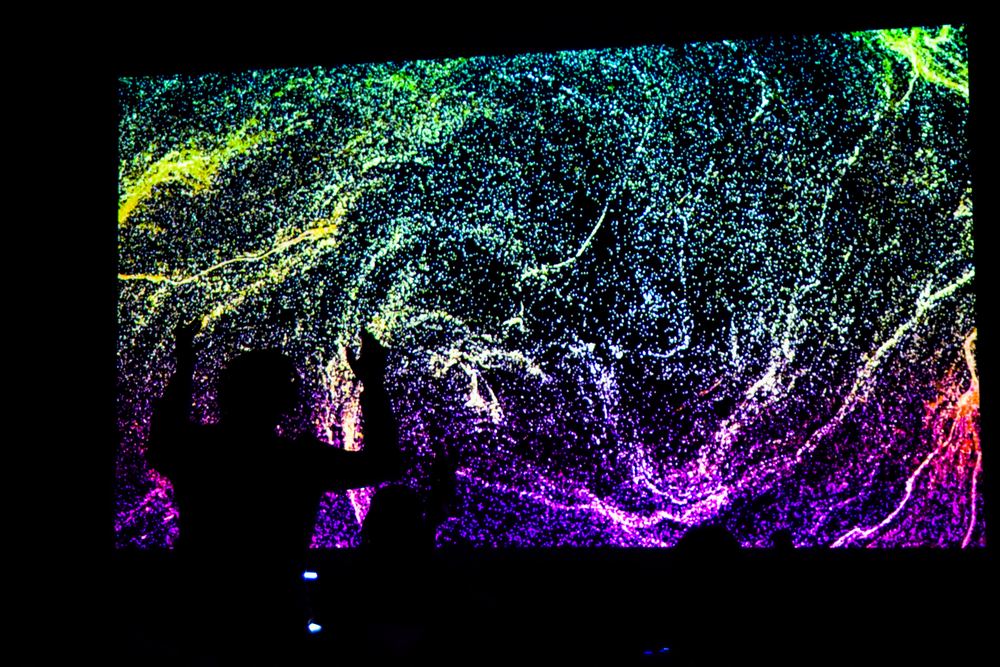
The mega-dunes (yes, that’s their real name) found in the Badain Jaran Desert are widely accepted as the largest sand dunes on Earth; many of them are 200–300 m tall, but some even push 500 m. They are interwoven with permanent interdune lakes fed by groundwater. Given the size and intensity of these dunes, this movement is the most aggressive one. These dunes can sometimes create low-frequency booming sounds during sand avalanches — thus, you’ll hear a lot of sub-bass.

Classified as Star mega-dunes

Projected filaments of acid yellow, green and violet light streaming across the screen above the conductor.
Photo: Chloe Hill

III

Lagoons

Lençóis Maranhenses National Park, Brazil2.53° S, 43.12° W

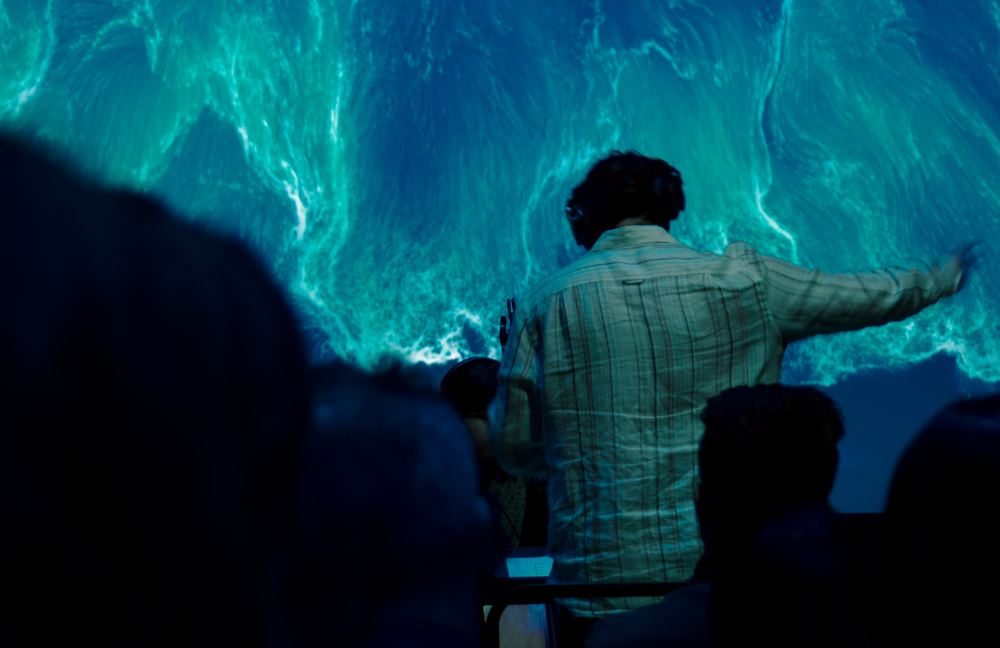
Lençóis Maranhenses National Park contains dune formations that are seasonally filled with freshwater, creating an incredible and almost unbelievable tapestry of water and sand. This movement is the emotional core of the piece — an oasis, perhaps — which features only the strings.

Classified as Coastal barchanoid dunes

The conductor before a projected wall of blue water breaking white at its crest.
Photo: Chloe Hill

IV

Stars

Grand Erg Oriental, Algeria29.8° N, 7.9° E

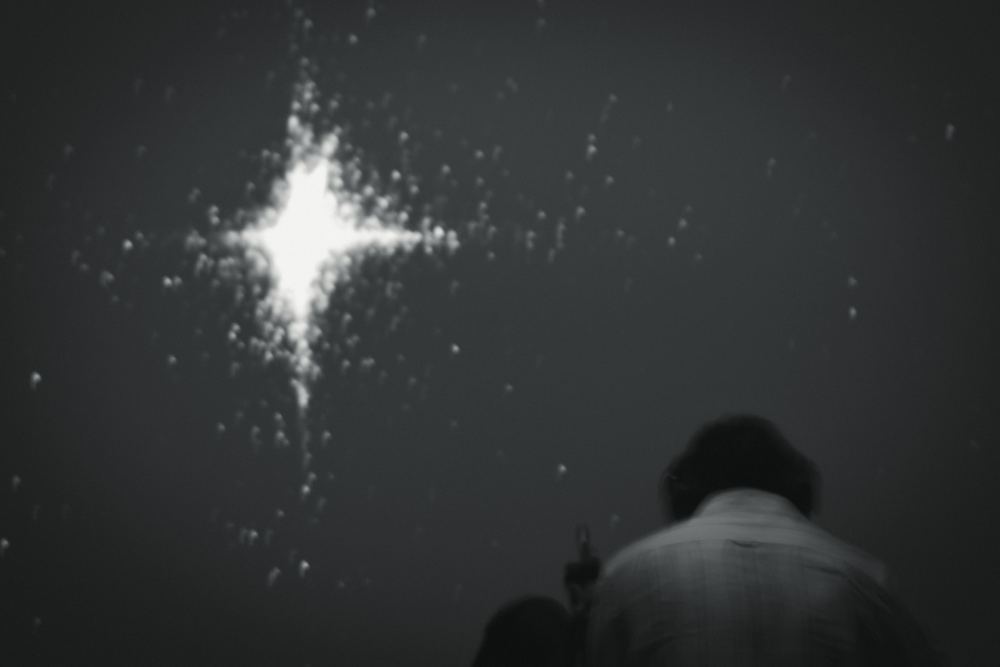
The star dunes found in the Grand Erg Oriental (Sahara Desert) are perhaps the most iconic sand dunes on the planet, formed by multiple opposing winds. I couldn’t help but be enticed by the obvious cosmic flavor of the name — the music in this movement is bright and radiant, perhaps suggesting a vast night sky over these dunes. The light pollution would be really low. Imagine the views.

Classified as Star dunes

A single projected star bursting white against black, the conductor below.
Photo: Chloe Hill
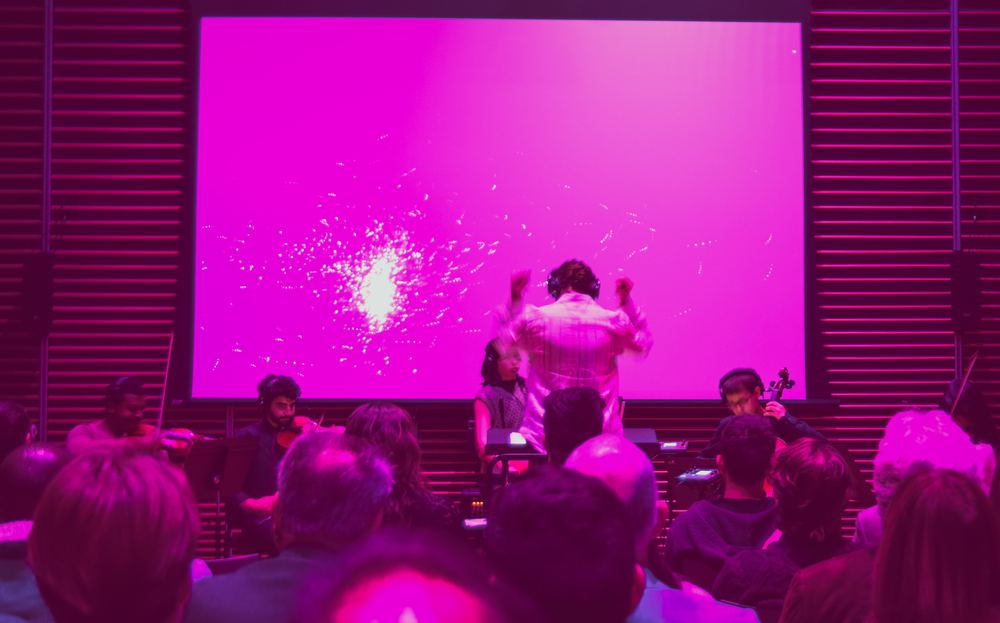
The hall washed in magenta light, a star cluster on the screen above the quintet.
Photo: Chloe Hill

V

Reversings

Great Sand Dunes National Park, Colorado, USA37.79° N, 105.59° W

Great Sand Dunes National Park in Colorado lives up to its name. These immense reversing dunes periodically change direction and shape because of opposing seasonal winds, creating sharp, alternating ridges at their tops. It’s fitting, then, that these dunes bring the piece to a close.

Classified as Reversing dunes

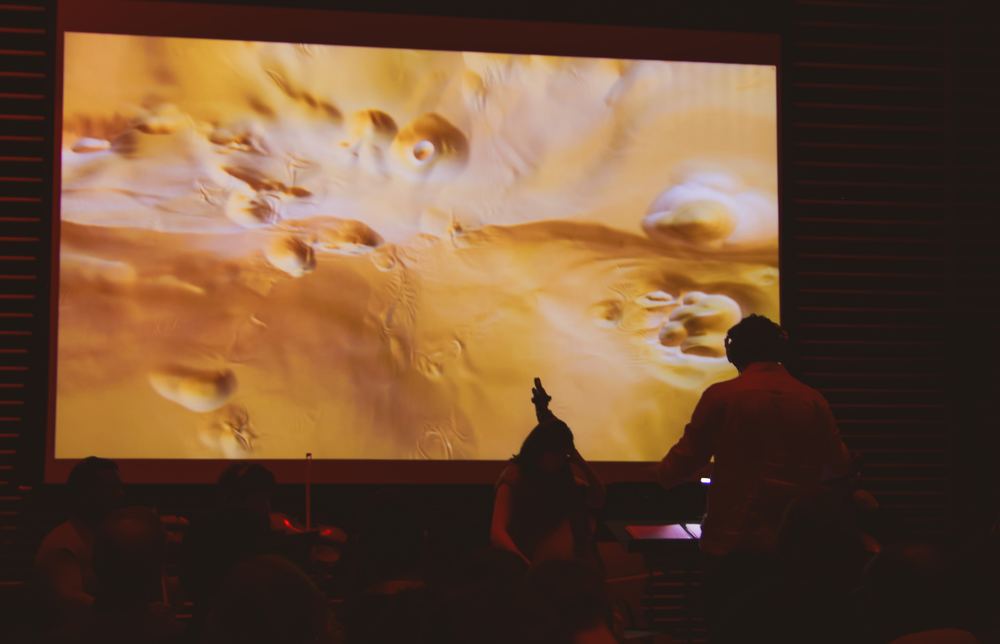
A golden, sculpted sand surface projected above the players, the hall lit deep red.
Photo: Chloe Hill
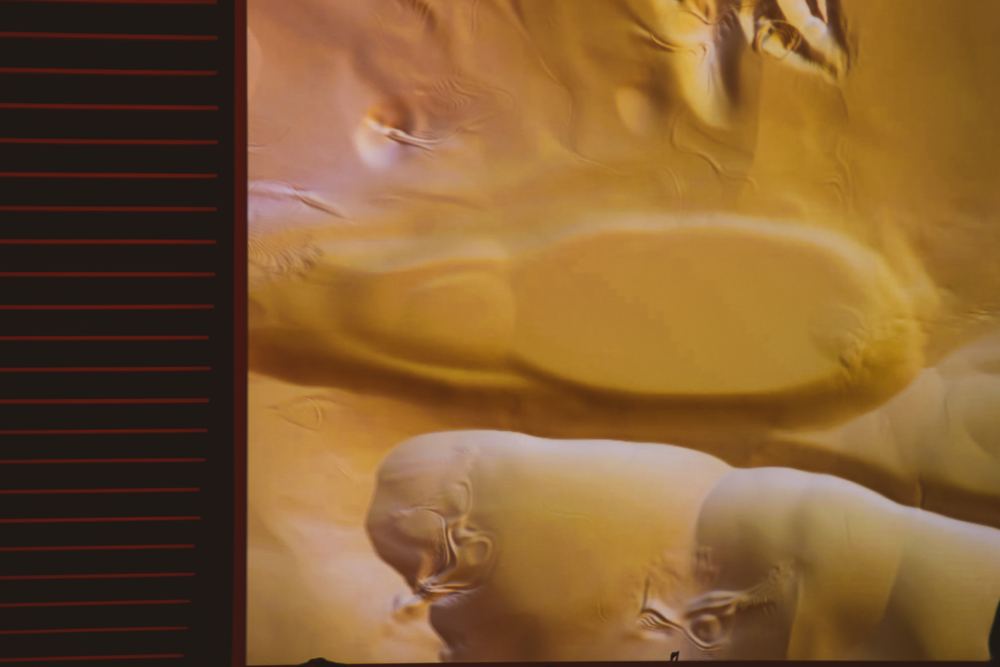
Close view of the projected sand relief in gold and amber.
Photo: Chloe Hill
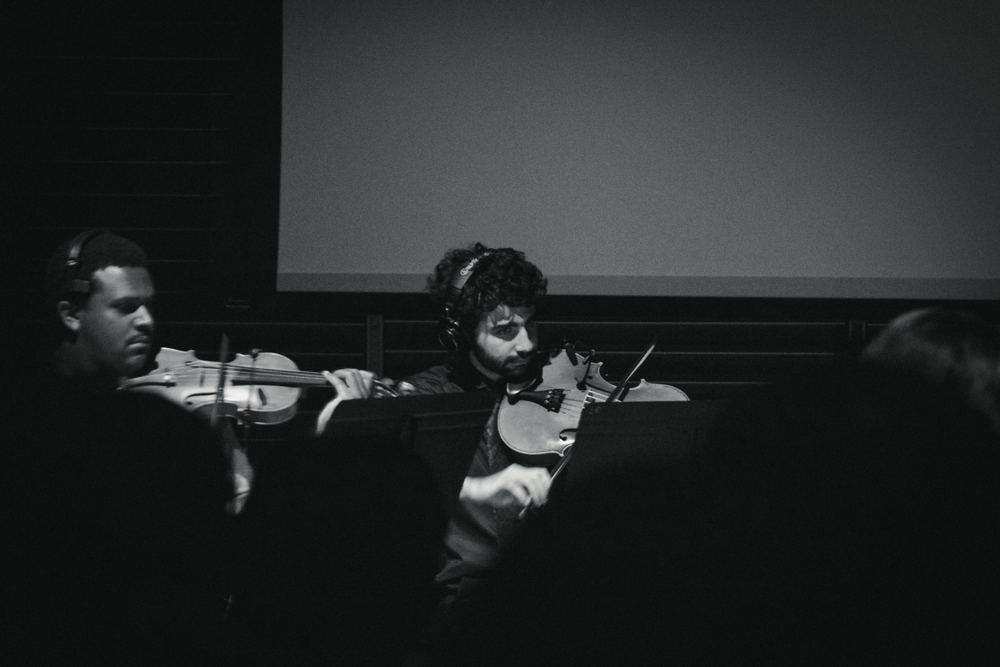
Members of the quintet playing, in black and white.
Photo: Chloe Hill

Dunes

Music
Luca Robadey
Lighting, tech, visualizations & projections
Ben Kitchen
Performed by
Manny Vousé, Aria Shum, Ian Kitchen, Noah Morsi, and Colby Heimburger
Photography
Chloe Hill — Chloe Hill Photos
All works

Dunes Live performance